Celebrating World Children’s Day: Majestic Play Date Success!

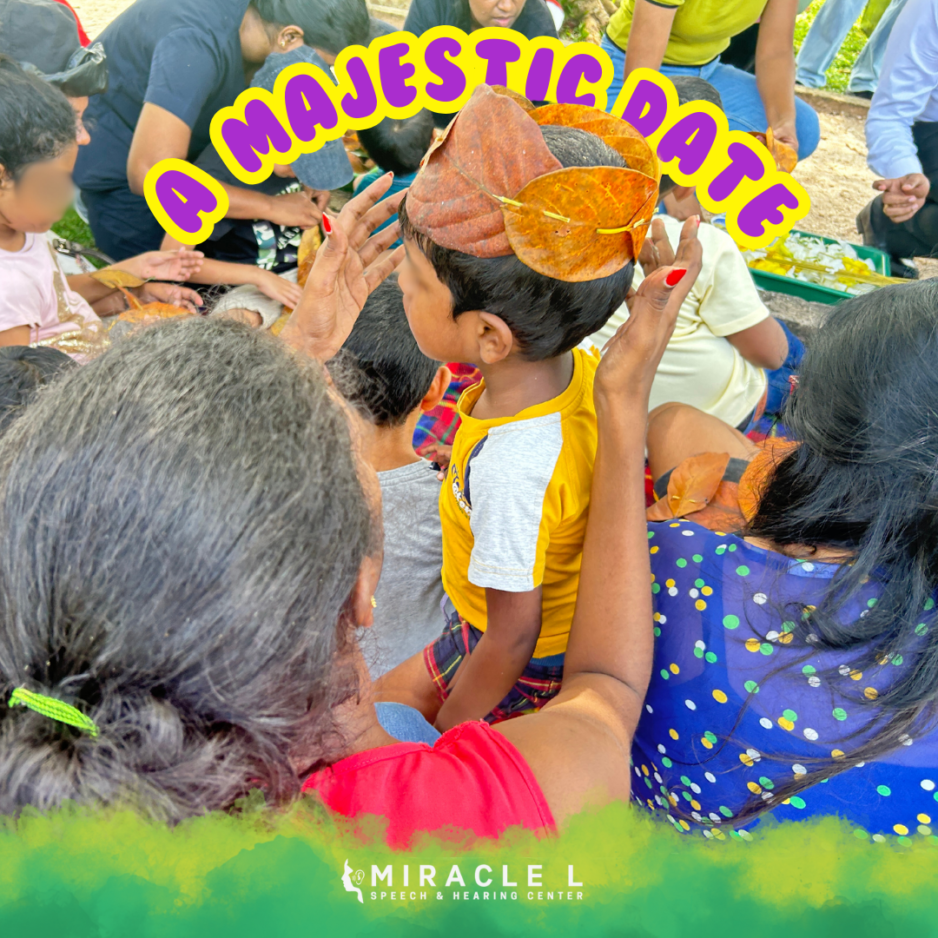
In celebration of World Children’s Day, we at Miracle L Speech and Hearing Center proudly hosted our Majestic Play Date on October 6th at Diyatha Park. This event was designed to honor the joy and potential of every child, with a special focus on enhancing their communication, social, and play skills in a fun, interactive environment.

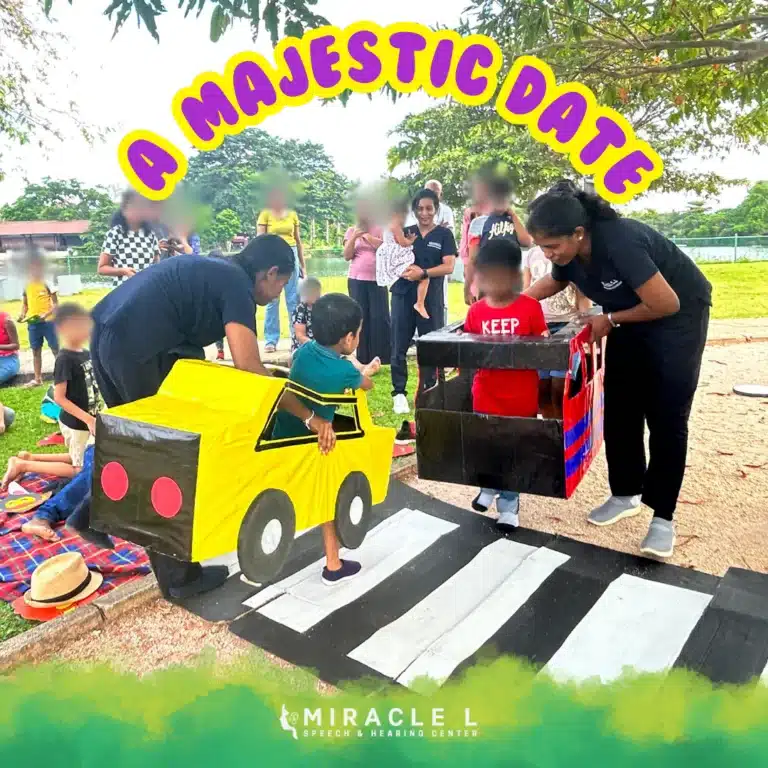
Our team of dedicated speech pathologists led the way, organizing activities that helped children improve their ability to express themselves, interact with peers, and build strong social connections. We also incorporated an educational component with a special activity on road safety. Through engaging role-play exercises, children learned to recognize traffic signs, cross roads safely, and understand the importance of traffic signals — all while having a fantastic time!

The success of this event would not have been possible without the unwavering support of our incredible team and the enthusiastic participation of the parents who joined us. Your encouragement and involvement made the day truly special.

Thank you to everyone who contributed to making this World Children’s Day celebration such a meaningful and memorable experience! We’re excited to continue hosting events that promote children’s growth and development in a nurturing, playful atmosphere. Stay tuned for more exciting programs and activities!

Miracle L Speech & Hearing Center Opens New Branch in Gampaha!

Miracle L Speech & Hearing Center Opens New Branch in Gampaha!

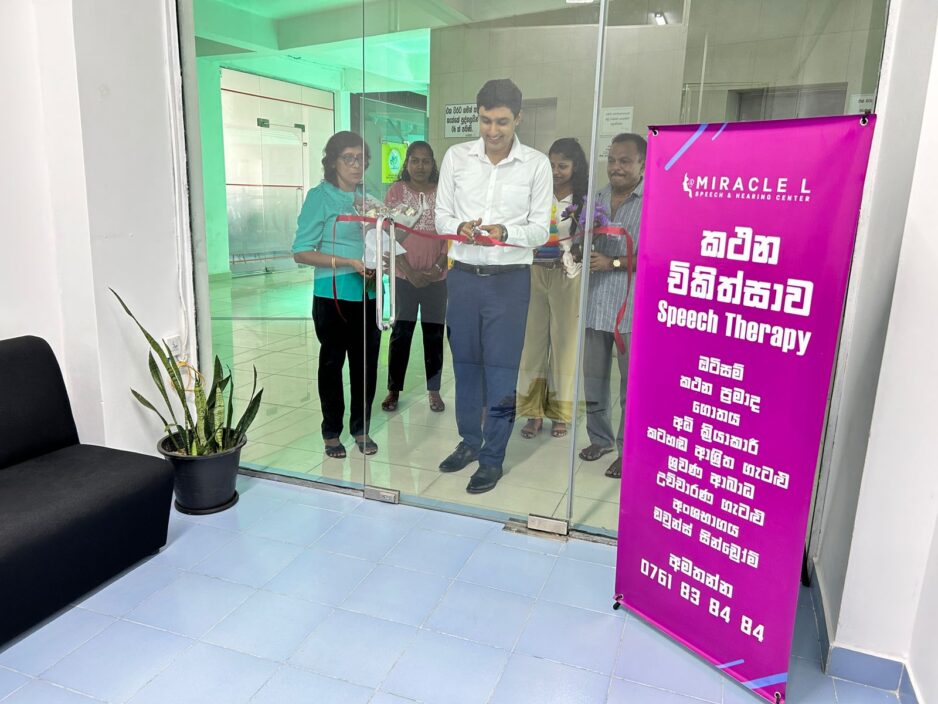
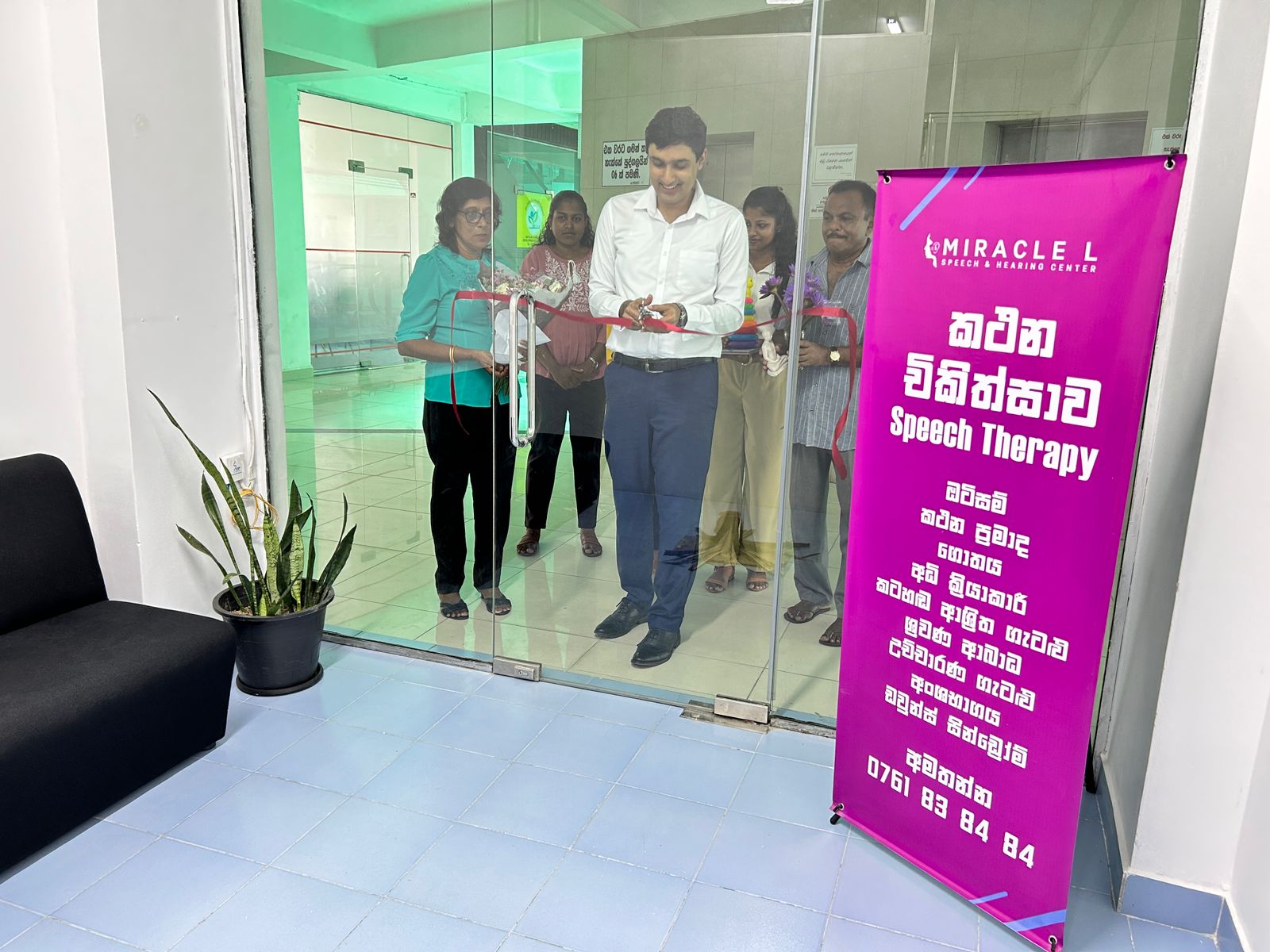
We are thrilled to announce the grand opening of our new Miracle L Speech & Hearing Center branch in Gampaha on the 10th of May, 2024! Conveniently located at Ward City, Gampaha, our new center is set to bring top-notch speech and hearing services closer to you.

Residents of Gampaha and surrounding areas will now benefit from easy access to our comprehensive range of services. Whether you or your loved ones are experiencing speech and language disorders, voice disorders, or swallowing difficulties, our team of highly qualified professionals is here to help. We provide specialized care for both children and adults, ensuring personalized treatment plans to meet each individual’s unique needs.

Our new location makes it easier than ever for the Gampaha community to receive the support and care they deserve. No more long commutes—quality service is now available right in your neighborhood.

Join us as we open our doors to a brighter future in speech and hearing health. For more information, please call us at 0761 838484. We look forward to welcoming you to our new Gampaha branch and helping you achieve better communication and quality of life.

Miracle L Speech & Hearing Center – Your trusted partner in speech and hearing health, now in Gampaha!

Hearing aid Donation

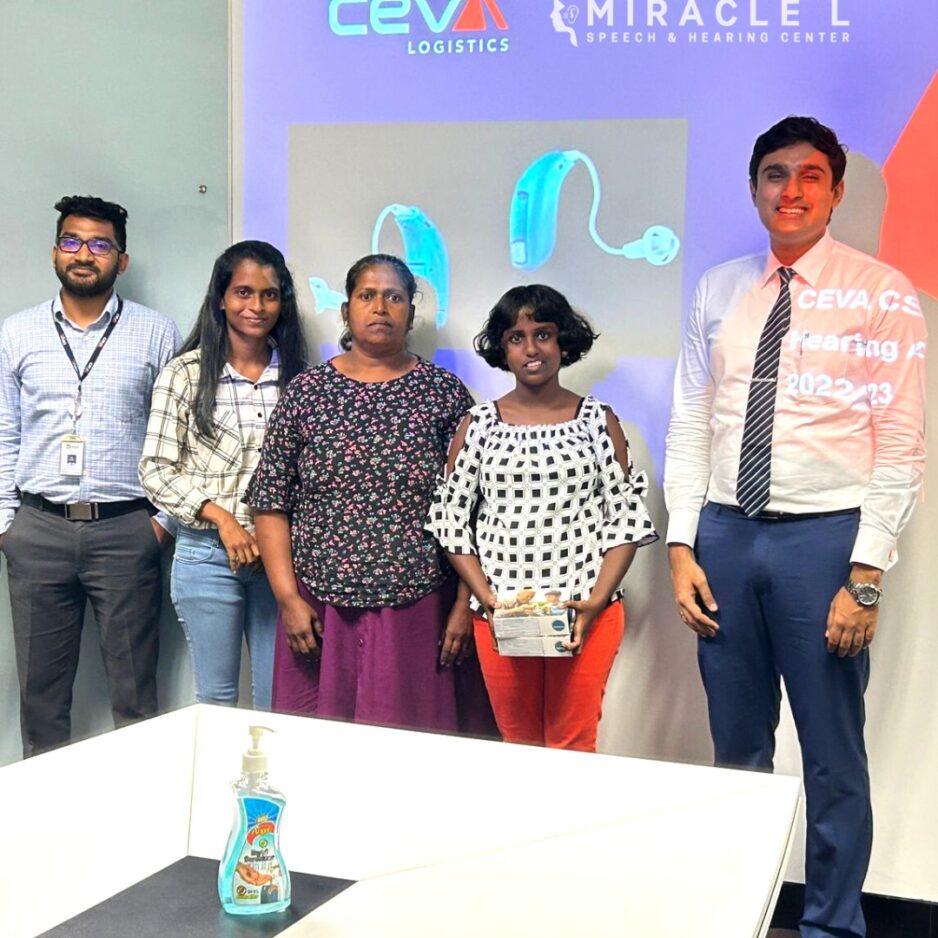
Miracle L Speech & Hearing Center together with CEVA logistics carried out a special project in order to give the gift of hearing to a child with Bilateral profound hearing loss.

We would like to express our sincere gratitude to everyone who was a part of this initiative and for being a part of the miracle this girl witnessed today.

.

කථන සහ භාෂා අපහසුතාවයන් ආශ්‍රිත රෝග පිළිබඳව දැනුවත් කිරීමේ වැඩමුළුවක්

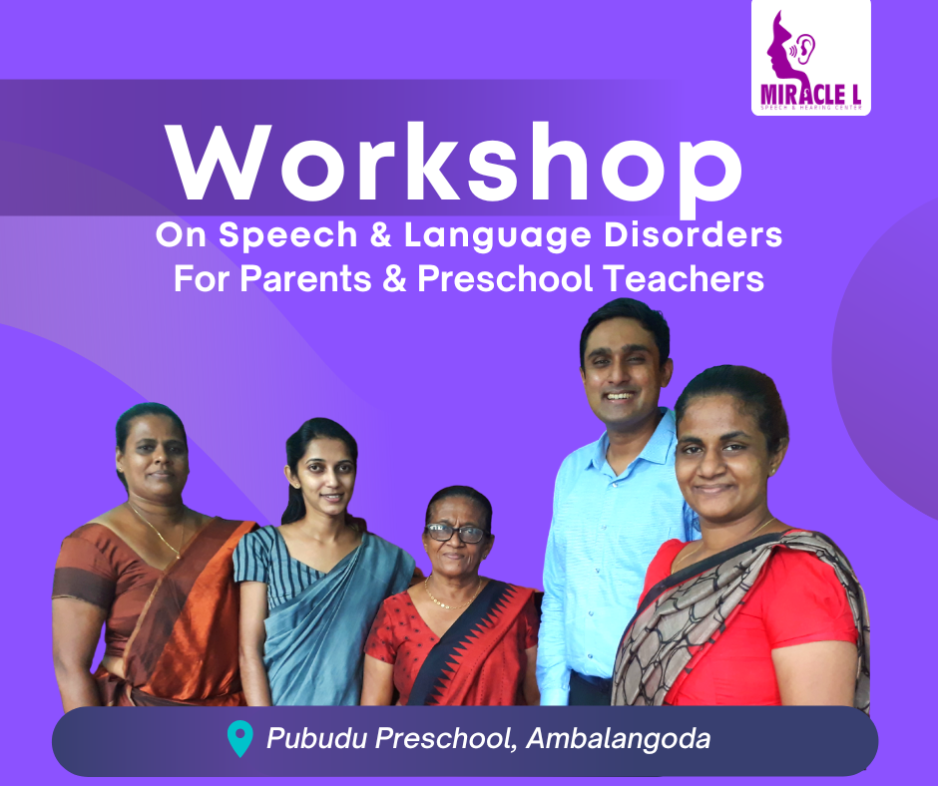
කථන සහ භාෂා අපහසුතාවයන් ආශ්‍රිත රෝග පිළිබඳව පෙර පාසල් දරුවන්ගේ දෙමව්පියන් හා ගුරුවරුන් දැනුවත් කිරීමේ වැඩමුළුවක් අප ආයතනය විසින් සාර්ථකව අම්බලන්ගොඩ පුබුදු පෙර පාසලේදී පවත්වන ලදී

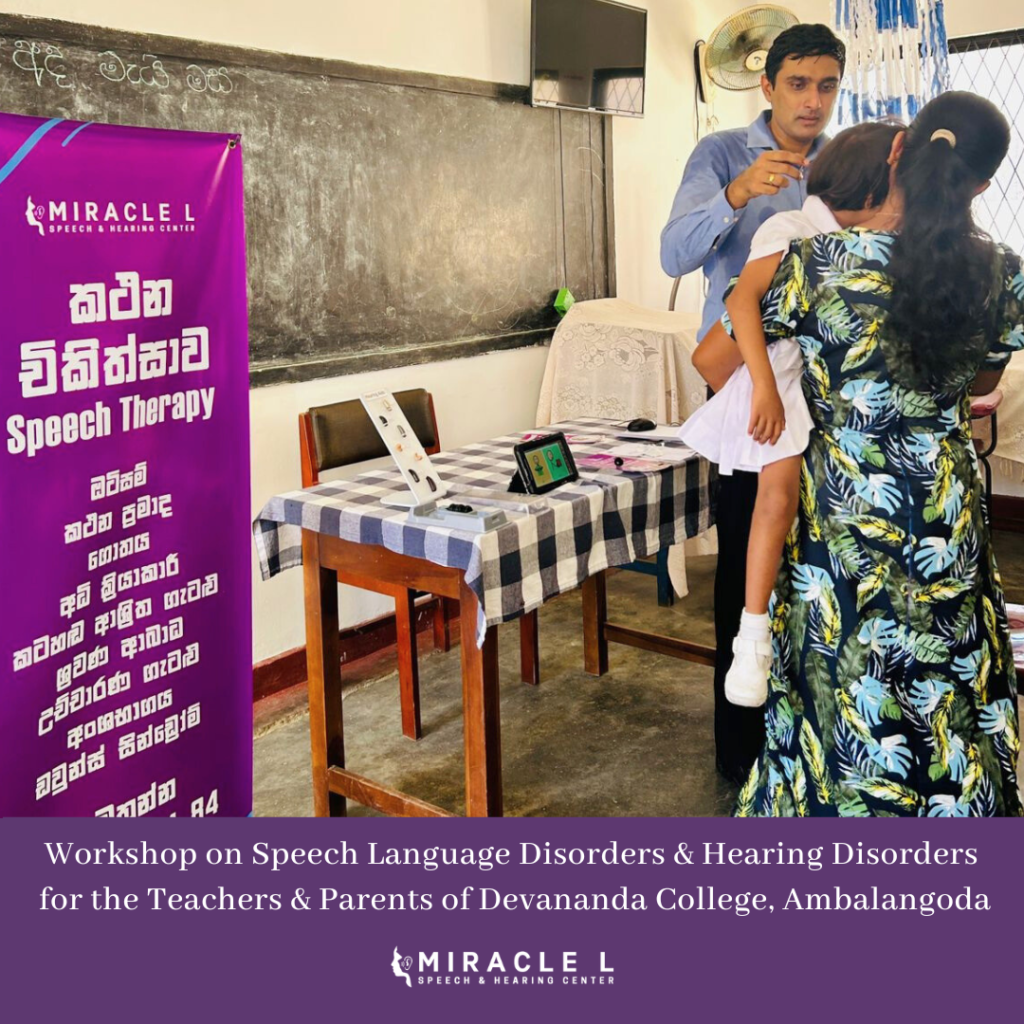
Speech & Hearing workshop at G/Devanada college, Ambalangoda

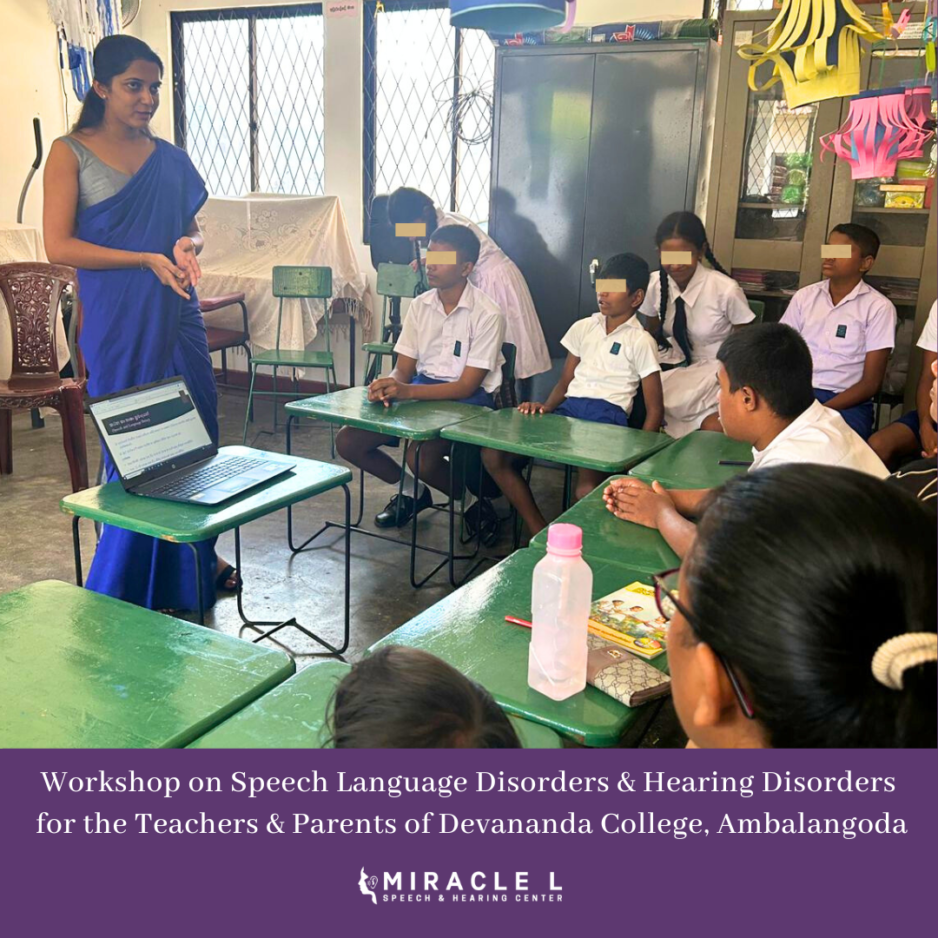
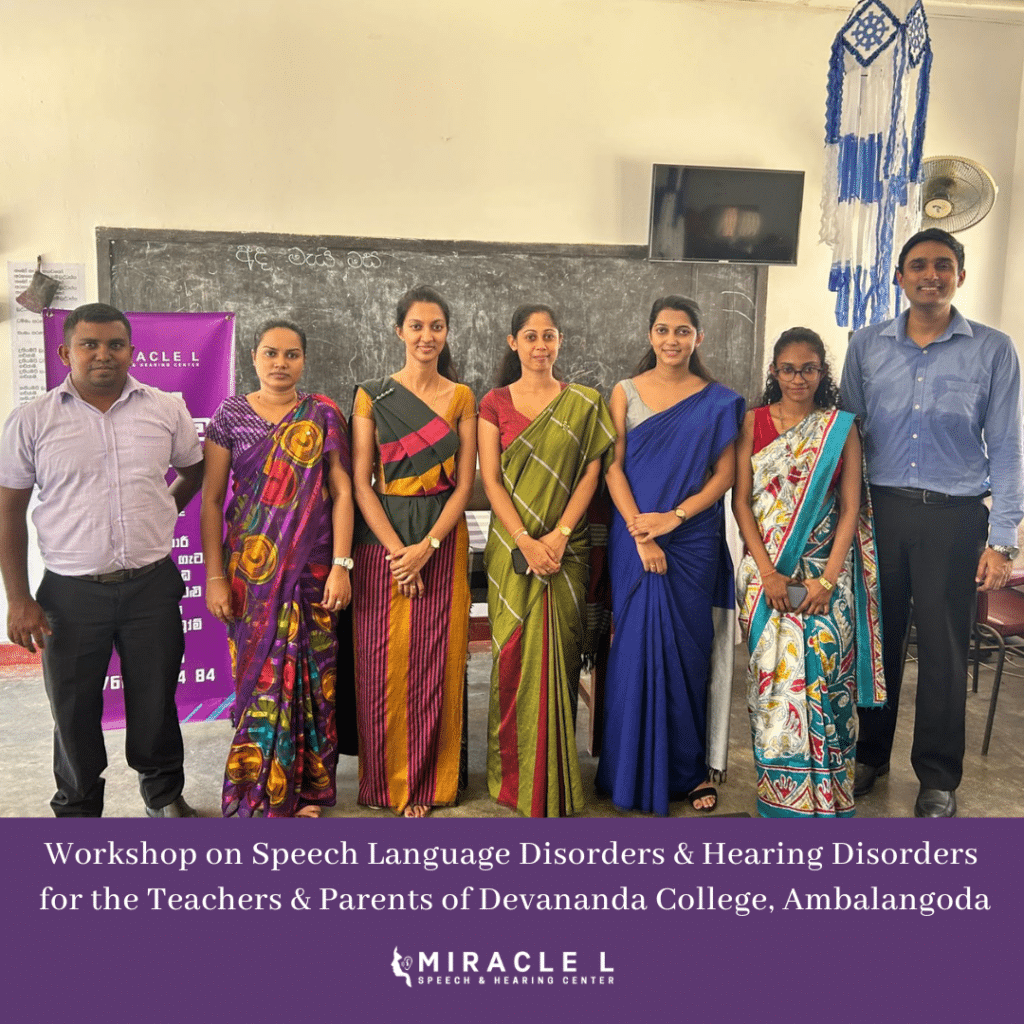
Miracle L conducted a speech & language workshop along with a free hearing test camp for the special needs unit of G/Devananda College, Ambalangoda.

The workshop was aimed at spreading awareness amongst the parents & teachers of the school. We were able to educate the students,teachers and parents on subjects subjects such as autism, downsyndrome, etc.

speech therapy workshop at Devanada college ambalangoda

Home schooling your kids

 
If I asked you what homeschooling was two years ago, you would tell that it’s a thing in the Elizabethan era.

However, COVID- 19 has showed us that the rest of this year would probably be a matter of homeschooling your kids. And you would not like to see them skip another grade like they did last year

Therefore, we thought of guiding you with some homeschooling tips for your little one until this pandemic settles down. 

Let’s first get rid of the negativity around the concept of homeschooling,

1. PARENTS CANNOT BE TEACHERS – WRONG

Parents are the best teachers who have been for their kids in every milestone of their learning. Therefore, if the school has not activated a proper plan for doing online schooling, why not start teaching your kids your way.

It does not matter what but it matters that kids don’t just play at home the whole day. As parents it is your responsibility to make them learn as best as you could. Complaining about not having a phone or having poor connectivity does not mean you should stop teaching your child.

Spare at least 3-4 hours everyday for your child’s studies and you will see your child turning to be a better person than they were.

2. HOME IS FULL OF DISTRACTIONS FOR HOMESCHOOLING – YES THAT’S RIGHT

However , we recommend you to keep a separate room/space ready for homeschooling your kids. When they enter that space in your house they should know that it means ‘school work’. 

3. IT WILL BE HARD TO DO HOMESCHOOLING – WRONG

Everything we feel that is easy now, was hard some time ago. Therefore, remember to get the help from school teachers with the syllabus and the areas to be covered. If it’s your therapist they will give you online guidance, to help you to develop your child. 

4. CHILD WILL NOT STAY IN ONE PLACE – WRONG

This is something we hear on a regular basis when it comes to speech therapy. But as parents, it is vital for you to know that this is the nature of children.

Therefore do not let go of your child just because they don’t stay in one place. Our online speech therapy sessions will give you tips to keep your child attentive during the time you keep for speech therapy. Likewise you can use these tips for homeschooling as well. 

5. ADULTS ARE BUSY- YES THAT’S RIGHT

Yes of course, it is true that as adults we have to get up, sort out the meals, clean the house, wash clothes and do all the adult-life work.However, while you do all this, adults need to play a role in educating the kids.

If not the mother, atleast the father has to take that task in the house and keep the kids up to date.

Many say homeschooling isn’t effective, but if done in a proper manner your kids knowledge will be up to date and they should be able to move to the next grade without a worry by next year.

For this we are sure that if you dedicate a little bit of your social media time for your child, it will work out fine…

6. SOCIALIZING THEM CANNOT BE DONE – WRONG

 Children are not machines. They are designed to learn new things while learning to interact with different faces, different age groups , etc.

Many thinks school is the only place that can help a child to socialize but house is the first socialization point in any child’s life. Therefore, socialization can be taught by interacting with mother, father, siblings, grandparents, other relatives via phone calls, zoom calls, etc.

Moreover a child can learn to socialize at home by introducing them to pretend play. While the child pretends to go to work, go to supermarket they start pretending to act like they are talking to others in those set ups. This could be the foundation to a child’s socialization process.

Therefore, encourage your child to dress up, build their own pillow homes, go out and play with pets, etc. 

7. CHILDREN DOES NOT LIKE LEARNING – WRONG


They do like learning when it’s fun. Therefore, we need to be creative as much as possible. They should learn by becoming a part of nature, they should learn when the parents do tasks, etc.

Engaging them in your daily tasks is critical for your child’s overall improvement. Do not force them to be with their books or only the online classroom sessions done by school. While making teaching fun, to get your child to listen you should always have a strategy. Rather than blaming the child for not learning and for not listening to you, try praising the child.

Reinforcement can take the child a long way and encourage them to work more. So give high fives, value their piece of drawings (you can have an exhibition at home), reward them when they do something better than they did earlier by giving them chocolates, etc.

Always make them realize that they will only get something they like when they learn something new. 


8. CHILDREN WITH SPECIAL NEEDS CANNOT BE HOME SCHOOLED – WRONG

This is a common misconception among parents. They think a kid who needs special attention cannot be taught at home. This depends on the efforts parents put in.

However, we admit that it’s not an easy task to handle them. You need to have patience, inner motivation and love for whatever they do.

They don’t like set ups, so we might not be able to work with them like we do with other kids. But they do their part if we adjust according to them and keep giving them more attention. 

9. THEY DON’T WORK ACCORDING TO A TIME TABLE WHEN HOMESCHOOLING-WRONG

Well it took time for us to adjust to a routine as well, so we cannot put the ball in child’s court.

So what we need to do is practise a schedule for 21 days to ingrain it in child that this is how homeschooling will work and just as they attend school, they need to work at home too. 

10. THEY GET GLUED TO THE TV – WRONG

This is a common scenario in all houses and children go to extremes when they don’t get to watch their favourite cartoon. So if your kid is smart enough to go and get the remote you should be smart enough to keep it away from them or take its batteries off.

As we already know, screen time is not child friendly. It can give affect your child’s health, therefore have a set time for their TV or do not on the TV at all. This will give more time to work with them. 

I know it’s easier said than done, but if we are willing to make a change for the better in our child’s life ; we need to groom them in our household to face the future!

 
Will you take the challenge or not?
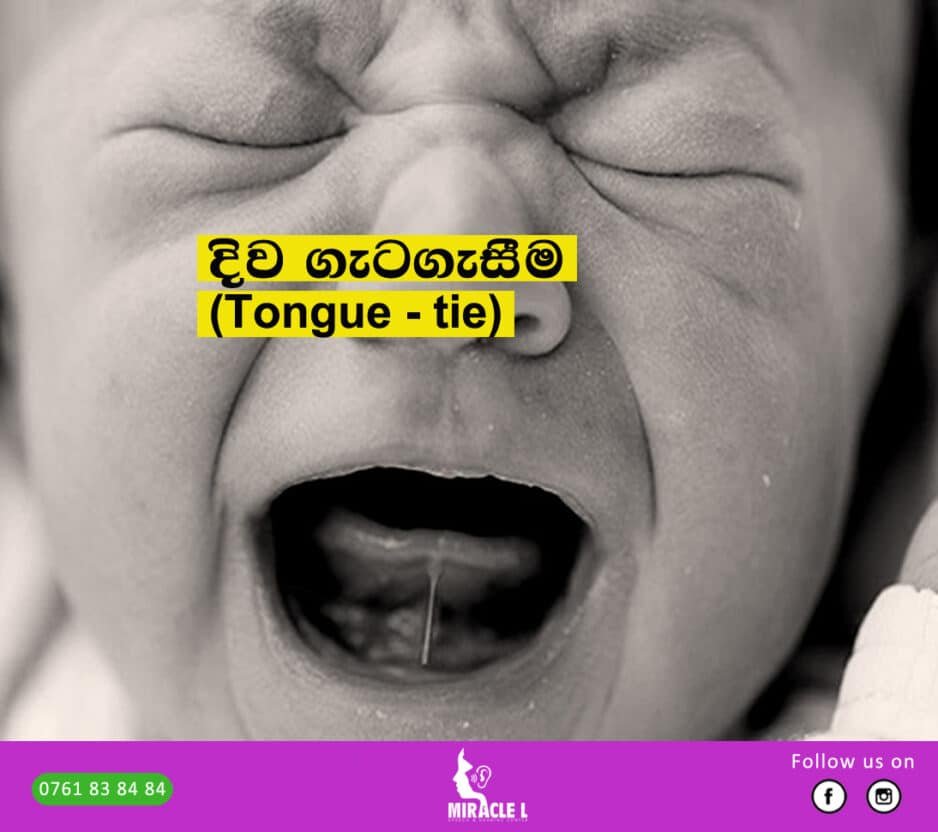
Tongue tie (දිව ගැටගැසීම)

Tongue tie (දිව ගැටගැසීම) කියන්නේ දරුවන්ගේ උපතේදී ඇතිවන තත්වයකි. මෙහිදී සිදුවන්නේ දරුවාගේ දිවේ චලනයන් සීමා කිරීමක්, සරලවම කිව්වොත් දිව එහා මෙහා කිරීම සීමාවීමකි.

ඇයි මෙහෙම වෙන්නේ?

ඔබ කණ්නාඩියක් ඉදිරියට ගොස් ඔබේ දිව උස්සා බැලුවොත් ඔබට පේනවා නේද දිග සම කොටස් ඔබේ දිවට සම්බන්ධ වී ඇතිබව, මෙය අපි හදුන්වන්නේ lingual frenulum කියල. යම් දරුවෙකුගේ මේ කොටස කෙටි හෝ තරමක් මහත්වී තිබුනහොත් ඒ දරුවන් Tongue tie ඇති දරුවන් ලෙස සලකනවා. මේ නිසා ඒ දරුවන්ගේ දිව එහා මෙහා කිරීම අපහසු වෙනවා.

Tongue tie නිසා දරුවන්ට පහත ලක්ශණ ඇතිවේ.

  • දිවෙහි වේදනාකාරී හිරවීමක් දැනීම
  • කිරි උරා බීම හා ඝන ආහාර ගැනීම අපහසුවීම
  • මේ නිසා බර අඩු වීම
  • කිරි උරා බොන විට click වැනි ශබ්දයන් ඇසීම
  • කටින් හුස්ම ගැනීම/නිතරම කට විවෘතව තිබීම
  • දිවෙහි අග heart හැඩයක් ගැනීම
  • කිරි බීමෙන් පසුව කිරි වමනය කිරීම
  • Pacifier රඳවා ගැනීමට අපහසු වීම
  • කථන අපහසුතා හා උච්චාරණය අපහසුතා ඇතිවීම. විශේෂයෙන්ම “ල”, “ට” , “ත”, “ස” වැනි ශබ්ද

මේ සදහා කල හැකි ප්‍රතිකාර කුමක්ද?

මේ සදහා මත දෙකක් පවතිනවා. සමහර වෛද්‍යයවරුන් මෙය ශල්‍යකර්මයක් මගින් නිවැරදි කරන අතර තවත් සමහර වෛද්‍යයවරුන් යම් කාලයක් දරුවාව නිරීක්ෂණය කරන්නේ කාලයත් සමග tongue tie එක වෙනස්වීමට ඉඩ ඇති බැවිනි.

නවතම පරීක්ෂණ වාර්තා අනුව tongue tie ඇති දරුවන්ගෙන් 40%කට පමණක් ශල්‍යකර්මයක් අවශ්‍ය වේ යැයි හදුනාගෙන ඇත. ප්‍රතිකාර නොකල සමහර දරුවන්ගේ මේ දිව ගැටගැසීම වැඩිහිටියන් වන තෙක්ම පැවතිය හැක.

මේ නිසා මේ ගැන දෙමාපියන් ලෙස සැලකිලිමත් වෙන්න. අවශ්‍ය විට ශල්‍යකර්මයක් මගින් මේ තත්වය නිවැරදි කලයුතුවේ. පසුව කථන චිකිත්සාව සදහා යොමු කරයි.

වයස අවුරුදු 5න් පසුවත් මේ තත්වය පැවතීනම් හා ශල්‍යකර්මයෙන් පසුව දරුවන්ගේ උච්චාරණය අපහසුතා සදහා කථන චිකිත්සාව (speech therapy) ලබාදීම අවශ්‍ය වේ…

අදම අපේ කථන ච්කිතිසකවරයෙක් මුනගැසෙන්න...

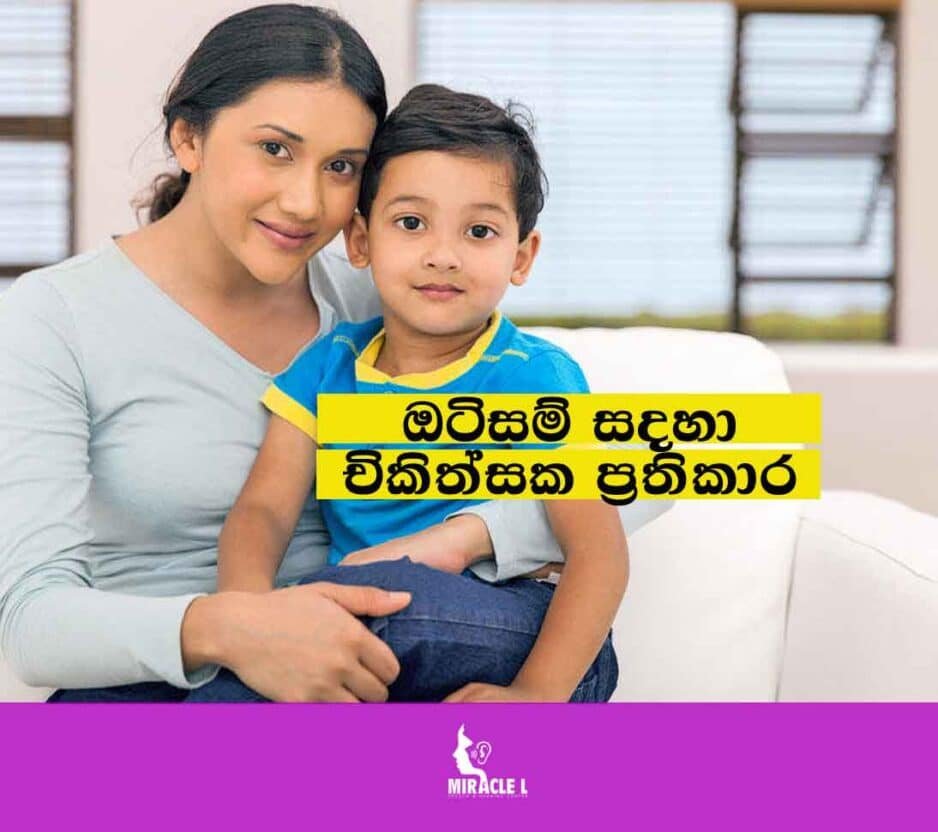
ඔටිසම් සදහා ප්‍රතිකාර (Autism therapy)

දරුවාට ඔටිසම් තත්වය ඇති බව දැනගත් විට කල යුතුවන්නේ කුමක්ද? මේ දිනවල ඔටිසම් ගැන බොහෝ දෙමාපියන් කතාකරන්න පටන් අරගෙන තියෙනවා. ඒ සමග බොහෝ දෙනා මේ ගැන වැඩිපුර කියවනවා. ඔටිසම් සදහා ප්‍රතිකාර (Autism therapy) මොනවද? ඔටිසම් හොද කරන්න පුලුවන්ද? බොහෝ ප්‍රශ්න අහනවා.

දරුවාට ඔටිසම් තත්වය තිබෙන විට අපි මොනවාද කරන්න ඕනේ

තමන්ගේ දරුවාට ඔටිසම් තත්වය තිබෙන බව දැනගත් දවස ඒ අයට කවදාවත් අමතක කරන්න බැහැ කියලා කථන චිකිත්සකවරයන් (speech therapist/ speech language pathologist) වශයෙන් අපි ඉතා හොදින් දන්නවා. ඊට අමතරව ඒ අවස්ථාවේ ඔවුන්ගේ මානසික තත්වය ගැන අපට තේරුම් ගන්න අමාරු නැහැ. මෙය පිලිගැනීම දෙමාපියන් කොහෙත්ම කැමති නොවන බවත් අප දන්නවා. නමුත් ඔබ එය පිලිගන්නා තෙක් ඔබට හෝ දරුවාට කිසිම වෙනසක් සිදුවන්නේ නැහැ. මේ කාලය එක් එක් දෙමාපියන්ට වෙනස්වේ. මේ නිසා ඔබ දරුවාගේ මේ තත්වය ඉක්මනින්ම හදුනාගෙන මෙය පිලිගන්න සිදුවෙනවා.

තවත් දෙමාපියන් කථන ප්‍රමාදයන් (Delayed speech) , වර්චුවල් ඔටිසම් (virtual autism) සමග ඔටිසම් (autism) තත්වය පටලවා ගෙන තිබෙනවා. මේ තත්වයන් එකිනෙකට වෙනස්. නමුත් ඒ හැම කෙනාට ඊලට අහන ප්‍රශ්න තමයි

මේ කාලයේදී දෙමාපියන් වශයෙන් ඔබ වඩා ශක්තිමත් විය යුතුයි. අම්මා, තාත්තා අනිවාර්යයෙන්ම එකිනෙකාට උදව් කල යුතුමයි. ඔබ දෙදෙනාගේ එකමුතුකම අනිවාර්යයෙන්ම දරුවාට අවශ්‍ය වෙනවා. ඔබ සෑම විටම මේ ගැන සුභවාදීව සිතන්න. ඔව්, මේ කාලය ඔබට අමාරු කාලයක් විය හැකියි. නමුත් ඉදිරිය ගැන සුබවාදීව දකින්න…

ඔටිසම් හෝ විශේෂ අවශ්‍යතා තිබෙන දෙමාපියන්ට ඊලට එන ප්‍රශ්නය තමයි.

“අනේ අපි දැන් මොකද කරන්නේ කියලා”

මේ වන විට ඔබ දරුවා ගැන හා ඔවුන්ගේ අවශ්‍යතා ගැන අවබෝධයක් ලබා ගෙන ඇත. මේ ගැන සැලකිල්ලට ගෙන දරුවා සුදුසු පරිසරයක් ගෙදරදී සුදානම් කල යුතුය. සෙල්ලම් කිරීමට, ඉගැන්වීමට වෙනම ස්ථානයක් නිර්මාණය කරගන්න. දරුවාගේ sensory difficulty ගැන අවධානය යොමු කිරීම වැදගත් වෙනවා.

තමන්ගේ සමීපතම නැදෑයින් සමග කතාකරන්න, උදව් ලබා ගන්න. අපේ සංස්කෘතිය සමග වෙනත් කිසිදු රටක අපට ලබාගත නොහැකි දේ මෙයයි. ඔවුන් අනිවාර්යයෙන්ම ඔබට උදව් කරයි.

ප්‍රතිකාර ආරම්භ කරන්න…දරුවාට මෙවැනි තත්වයක් තිබෙන බව දැනගත් ගමන්ම මෙය සිදුකල යුතුවේ.

මොනවද තිබෙන ප්‍රතිකාර? බෙහෙත් තියෙනවද? ඉන්ජෙක්ෂන් (Injection) තියෙනවද? සැත්කම් (Surgery) තියෙනවද?

මෙවැනි දේ බොහෝවිට දෙමාපියන් අපෙන් සෑම විටම අහනවා. මොකද සෑම දෙමාපියෙක්ම කැමති දරුවාව ඉක්මනින් සුවකරගන්න. ඉහත ප්‍රශ්නයට උත්තරය “නැහැ“. තවමත් මේ සදහා සාර්ථක ප්‍රතිකාරයක් සොයාගෙන නැහැ.

මොකද මේ තත්වයට හේතුවක් හරියම කියන්න අපහසු නිසා. ඒ නිසා ඇති ලෝකයේ සාර්ථකම ක්‍රමය වන්නේ Therapy (චිකිත්සාව) මගිනුයි. තෙරපි වර්ග විවිධයි. ඒ එක් එක් තෙරපි මගින් සිදුවෙන කාර්යයද වෙනස්වේ.

ඔටිසම් සදහා ප්‍රතිකාර (Autism therapy) වර්ග

  • කථන චිකිත්සාව (Speech Therapy)
  • වෘත්තීය චිකිත්සාව (Occupational therapy)
  • චර්යා චිකිත්සාව (Behavior therapy)

මීට අමතරව තවත් විවිධාකාර therapy තිබිය හැක.

කථන චිකිත්සකවරයන් වශයෙන් speech therapy වල වැදගත්කම මෙහිදී අනිවාර්යයෙන්ම කිව යුතුය. ඔටිසම් සහිත දරුවන්ගේ ප්‍රධානම ගැටලුවක් වන්නේ තම අදහස් ප්‍රකාශ කිරීමට නොහැකි වීම, අනෙක් පුද්ගලයන් සමග එක් වීම අඩුකම වැනි ලක්ශණයි. Speech therapy මගින් දරුවන්ට තම අදහස් හුවමාරු කිරීමට පුහුණුවීම සිදුකරයි. එය විවිධාකාර ක්‍රම වලින් සිදුකරයි. මෙවැනි දරුවෙකුට කථන චිකිත්සාව අනිවාර්යයම සිදුකල යුතුය.

වෘත්තීය චිකිත්සාව (Occupational therapy), Behavior therapy මගින් සිදුවන්නේද දරුවාගේ කුසලතා වර්ධනය කිරීම, හැසිරීම පාලනය කිරීම මගින් දරුවා ස්වාධීන කිරීමයි. එවිට ඔවුන්ට අනාගතයේ තම අවශ්‍යතා තනිව කර ගත හැකි තත්වයට පත්කිරීමයි.

කොපමණ ප්‍රමාණයක් ප්‍රතිකාර (therapy) කරන්න ඕනෙද?

මේ නිසා මේ චිකිත්සාවන් එක දිගට සිදුකල යුතුවෙනවා. දිනපතා හෝ සතියකට වාර 2-3 වත් දරුවාට මේ තෙරපි ලබාදීම අනිවාර්යය වෙනවා. බොහෝ දෙමාපියන් මේ කරුණ ගැන සිතන්නේ නැහැ. එක දිගට ඒ තෙරපි අනිවාර්යයෙන්ම කල යුතු වෙනවා.මේ සියල්ල ඒ අදාල පුද්ගලයන්ට යොමු කිරීම පමණක් මදියි. දෙමාපියන් වන ඔබ අනිවාර්යයෙන්ම ඒ ක්‍රියාකාරකම් නිවසේදී කල යුතු වෙනවා. මොකද දරුවා වැඩි වේලාවක් ඔබ සමග සිටින නිසා හා ඔබ ඔබේ දරුවාව හොදින් දන්නා නිසායි.

සමහර දෙමාපියන් සිතන්නේ දරුවා ඔටිසම් සදහා ප්‍රතිකාර(Autism therapy) වලට දැමු පමනින් සියල්ල හොදින් සිදුවේ යැයි කියලා. එසේ සිතීම වැරදී. ඔබ හොදින්ම දරුවා අවබෝධ කරගැනීම අවශ්‍ය වෙනවා.මීට අමතරව දරුවාව නිතර අලුත් අත්දැකීම් ලබාදීමට නිතර ඔවුන් කඩයට, Supermarket එකට, සෙල්ලම් පිටියට රැගෙන යන්න … එවිට ඔවුන් ඒවාට හුරුවීමට පටන් ගන්නවා.

දරුවා තෙරපි සදහා නිවසෙන් පිටතට රැගෙන යාමෙන්ද දරුවා වෙනස් ස්ථාන වලදී හැසිරිය යුතු ආකාරය ප්‍රායෝගිකවම ඉගෙන ගන්නවා…

Miracle L Speech Therapy අපි හිතනවා මේ ලිපියෙන් ඔබ අලුත් දෙයක් ඉගෙන ගත් බව. මේ පිලිබදව අනෙකු දෙමාපියන් දැනුවත් කිරීමට අනෙක් අය සමග Share කරන්න.

මීට අමතරව ඔටිසම් හදුනාගන්න Free check list එකක් අපි අපේ වෙබ් අඩවියේ පලකරල තියෙනවා…

අපි ආසයි දැන ගන්න මීට අමතරව ඔබ ඔබේ දරුවාව බලාගත් විදිය හා ඔබේ අත්දැකීම් අප සමග පහලින් comment කරලා බෙදාගන්නවානම්. මොකද ඒවා අනාගතයයේදී මෙය කියවන තවත් දෙමාපියෙකුට වැදගත් විය හැකි බැවිනි.

කථන චිකිත්සාව සම්බන්ධ ඕනෑම ගැටලුවක් හෝ ඔබේ දරුවාට කථන චිකිත්සාව (speech therapy) අවශ්‍යය නම් අදම වේලාවක් වෙන්කරගන්න. අපව සම්බන්ධ කරගන්න…

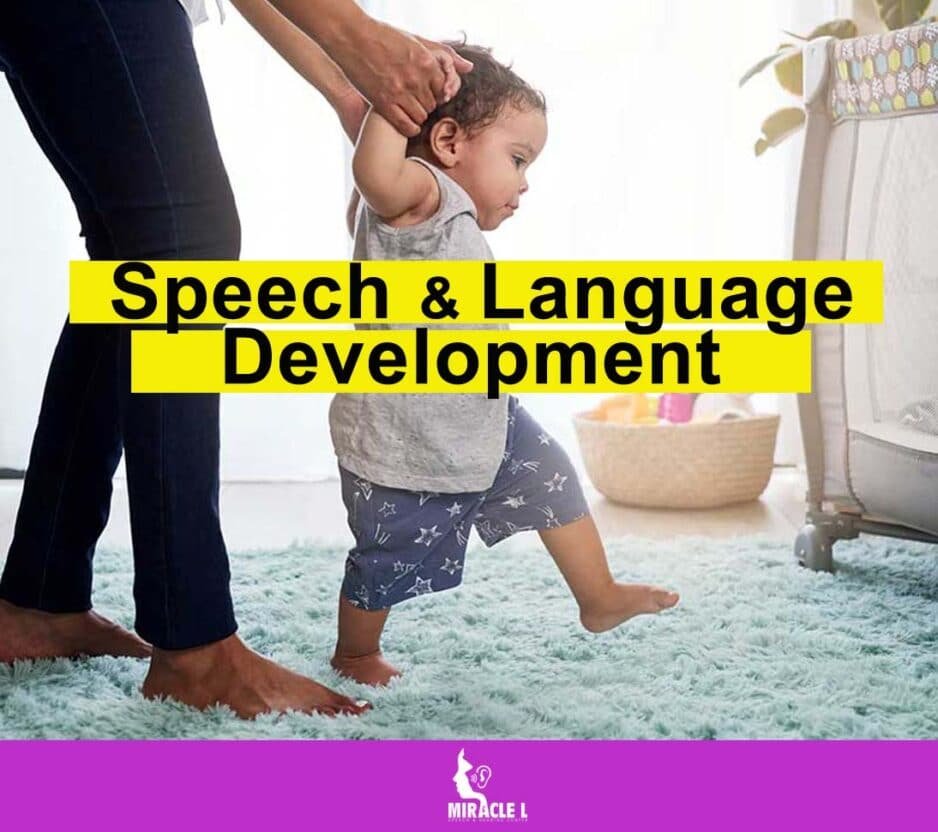
Children’s Speech & Language Development

When it comes to Speech & Language development in children there are many questions that may come in to your mind. Most frequently asked questions from us as speech language pathologists/ speech therapists are” When should my child speak ?“, ” How many words he/she must talk according to the age…”
To answer all those questions we thought of writing this post for you.


Speech is not the only way of communication. There are different ways to express feelings. It can be by; 

  • Crying
  • Using gestures
  • Speaking
  • Writing


Cry is the first way or indication of communication. Why we are saying that is because it occurs at birth. It’s the first symbol of expression.
Then kids will develop differential cries for their needs(hunger, warmth,protection…etc) Mother can identify what the baby needs just by the cry during the early stages of life because she is the primary caregiver during the first phase of life.

Speech & Language Development with age

6- 9 months

During this age kids start to make sounds by using their lips and tongue; making sounds like “ba- ba” “pa- pa” . This is called “babbling ”.

This is an important milestone for language development because this is the first time that parents can hear that their child is trying to communicate. It is an unforgettable movement in there life.

9-12 months

Around 9-12 months some kids will make “oo” “aa” sounds and it’s called cooing.

All above stages are in pre-lingustic period. During these stages kids will play with their oral structures such as tongue , lips while making new sounds and getting ready to make meaningful words.
Also they will be able to differentiate sounds such as parental voice and smile. They will be able to locate and turn towards the sound source.

Speech & Language Development at 1st year

Around 12- 14 months, child will speak their first meaningful word. It can be “Amma”, “Thaththa” or anything else. Along with that child will be able to walk independently. They will respond to their name and start pointing for their needs. Try to imitate sound and action. They’ll be able to follow simple one step commands such as “give ball” 

Speech & Language Development at 2nd year

At 2 years of age a child will have a vocabulary of around 50 words. By using those they will try to communicate simple 2 worded sentences. Fix 2-3 building blocks and follow simple 2 step commands
Ex: Take the ball and keep it on the table

Speech & Language Development at 3rd year

A 3 year old child will be able to maintain attention for 20 min. At this age they must have an approximate vocabulary of 500 words. Must understand big / small concept,match according to colour & shape and be able to communicate using simple 3 worded sentences. 

Speech & Language Development at 4th year

4 year old’s have a vocabulary of 1500- 2000. They will be able to interact/play with 4-5 kids as a group activity and able to follow rules of a game.

Speech & Language Development at 5th year

A 5 year old will be able to narrate a story on their own. Also they can pronounce most of the sounds. Ability to count, ability to say the alphabet, etc. 


These are some milestones that the child will achieve. If your child doesn’t meet the above mentioned goals or if you have any doubt or feeling that the speech of your child is delayed, please make an appointment with a speech language pathologist.

Please don’t wait thinking “they will be fine with the age” or “his father was also a late talker”, “he/she will be fine when they start schooling”

Because of your decision your child might suffer!

Click here to access the FREE SCREENING TOOL that we have developed to find out the current level according to their age

Communication Aids

Alternative Augmentative Communication or AAC Communication Aids is a type of communication used to assist people to communicate through gestures, hand pointing, eye pointing or vocalizations. We use this to communicate when speech is absent or unable to make.

It can be used with children who have Autism, Cerebral palsy, Apraxia of speech and adults who suffer from disorders such as aphasia, dysarthria and other neuro degenerative disorders.

People who use AAC, Able to make requests, comments, sharing information, express emotions, choose and refuse the things in their activity of daily living. 

Basically we break AAC in to 2 groups. 

1. Unaided AAC

In unaided AAC, people do not need any physical tool for support. It is communication through your body. Examples are,

  • Facial expression 
  • Sign language
  • Gestures
  • Vocalizations
  • Blinking of eyes

The disadvantages of this method are; people requiring motor ability and there being limited communication partners who know about the symbols.

2. Aided AAC 

In Aided communication, people require a tool which is tangible and representational 

There are two types of Aided AAC that is

1) High- Tech AAC

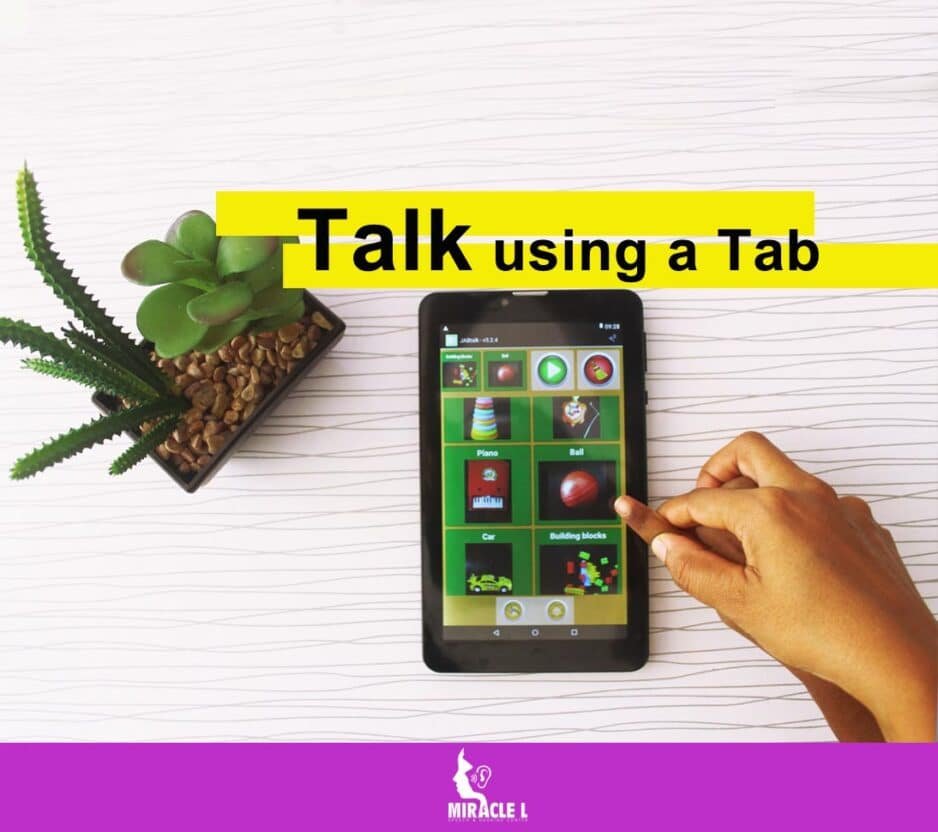
It uses high technological instruments such as tab, mobile phone, computers. All these apps falls under High- Tech category.

2) Low- Tech AAC

As the name suggests it uses low technological instruments such as paper, name cards,bell …

These kind of AACs can be used in our speech therapy centers, homes and any where to help a person to communicate.

Do you know?

The famous theoretical physicistcosmologist, and author Stephen Hawking who suffered from slow-progressing form of motor neurone disease (MND) used high tech AACs such as text to speech.

List of free AAC apps and paid apps that you can use

Free AAC apps which can support with both apple/iphone & android.

Benefits in using a Alternative Augmentative Communication (AAC)

People who use AAC have many benefits ; it helps to build language and communication. Speaker is more independent. Increased participation in the daily living activities with family & friends. Able to build up and continue the social relationships. Reduced the frustration and improved mental health. 

Myths about Using AAC Communication Aids

However, due to myths about using AAC, people mostly get discouraged to use these methods . In most of the situations, parents are afraid to use AAC for their children thinking that “AAC stops the Speech Language Development and if we use this my child is never gonna talk”

As a speech therapist, we want to say it is absurd. And you become a barrier for your child’s speech development. In fact,using AAC may enhance both receptive and expressive language of your child. 

If you feel, that your child needs AAC? That it is beneficial for your child, feel free to contact a professional speech therapist who will be able to guide.